
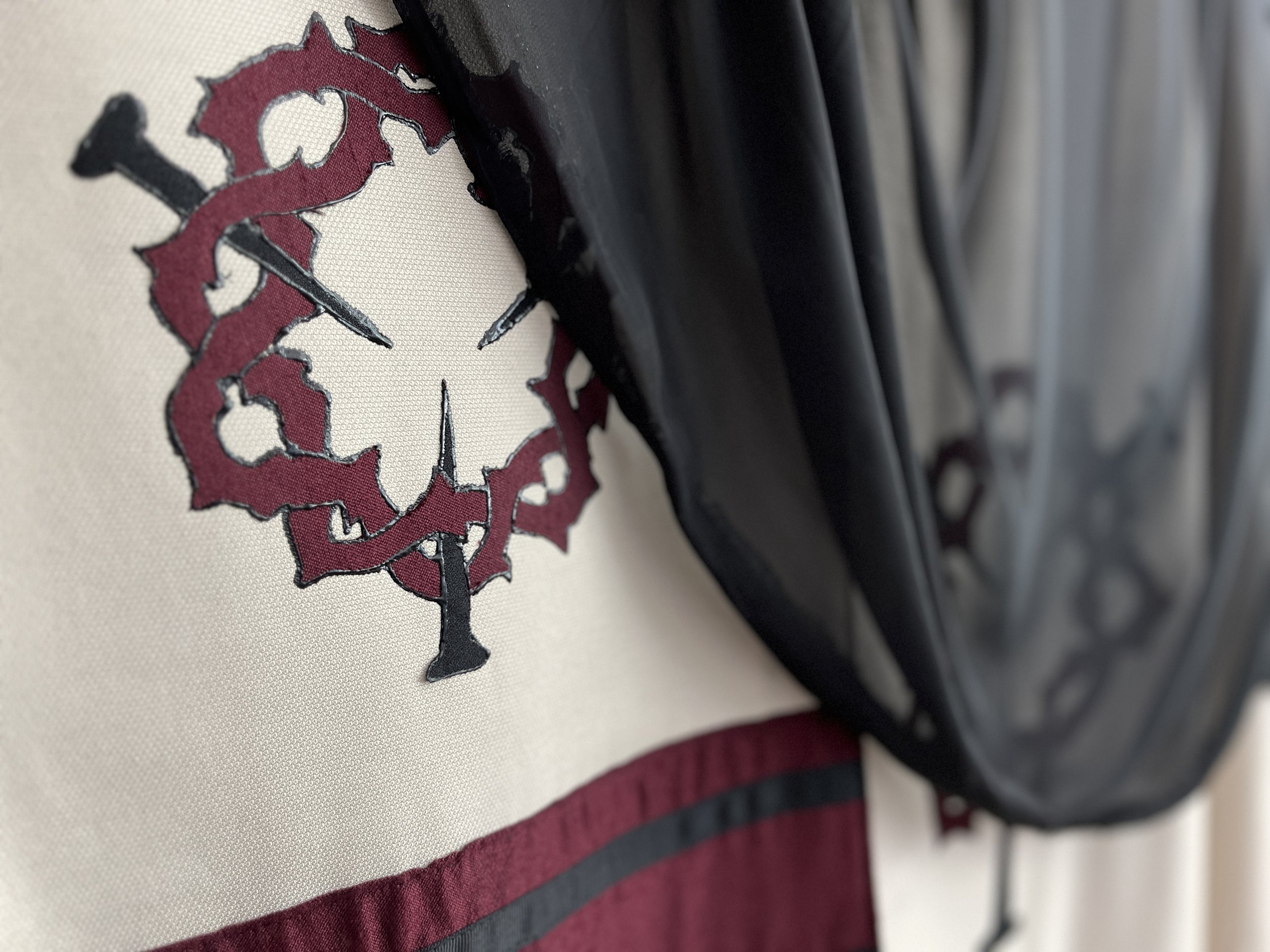
The Season of Lent
Begins Ash Wednesday, February 17
Ash Wednesday
February 18 at 7a, noon, & 7p
The quiet, penitential season of Lent begins with one of only two days in the year when Christians (ages 18-59) are called to a day of fasting and a stark reminder that death is the “wage of sin.” The Imposition of Ashes vividly depicts this dire sentence, and causes us to long for the Good News of Easter. Services are in the Nave at 7a, noon, and 7p.
Lenten Retreat
Saturday, February 21 from 9a - noon
The Great Litany
Sunday, February 22 at 8.30a & 11a
The first Sunday in Lent, our Eucharist begins differently. In place of the opening hymn, The Great Litany is chanted during an extended procession. First appearing in 4th century Antioch, the Great Litany was adapted over a millennium later for inclusion in the Book of Common Prayer. Commended by its timeless value and use throughout the Church, it has been sung or said by Anglicans throughout the ages. Its name comes from the Greek word “litaneia” meaning “a supplication.” In the Litany, we ask for deliverance from sin, Satan, and death. In it, we ask for God’s mercy upon the Church and the world. At the heart of these requests is an abiding awareness that, from birth to death, we depend entirely upon the grace of God.
Men’s Lenten Study “From Duty to Delight”
Beginning Tuesday, February 24 with John Barr
For six Tuesday mornings in Lent the men of the parish (and their friends!) are invited to join together to kneel down beside the great prayers of the Bible—the native language of prayer. It will take us into the region of awe and intimacy, as we lean into deeper honesty and into the rhythms and grace God sends. We want to come into a new vivid sense of reality and intimacy when we pray. Let’s move from duty to delight as we kneel beside these biblical prayers and make them our own. What do we bring? Our failures and our longings for living water. Your Bible and a notebook. Tuesday, February 24, 7.15-8a in the Parlor. Plenty of coffee. No need to sign up. Just come. —John Barr
About Lent
History
Originally, Lent was a time of preparation for those about to be baptized: a time of study and prayer before baptism at the Easter Vigil, the first celebration of the Resurrection. Since these new members were to be received into a community of Faith, the entire community was called to join them in their preparation. Spanning the weekdays from Ash Wednesday to Holy Saturday, Lent was also the time when those who had been separated from the Church for grievous sin (excommunicated) would be prepared to rejoin the community. If you or a family member would like baptism at our Easter Vigil service on Saturday, April 16, please contact the office.
Today
Today, Lent is understood as a time for all of us to prepare to celebrate Easter. The number 40 is connected with many biblical events, but especially with the forty days Jesus spent being tempted in the wilderness preparing for his ministry. Christians today use this period of time for introspection, self examination, and repentance. Since Sundays always celebrate the resurrection of Jesus, the six Sundays during Lent are not counted as part of the 40 days. That is why they are referred to as the Sundays in Lent.
Practices
Fasting
Join in this season of fasting. Consider abstaining from some kind of food: meat, dairy, or eggs are traditional; or, abstain from all food for certain days, or for certain periods during the day (like from sunrise to sunset on Wednesdays and Fridays, or from lunch each day). But remember, since Sundays are always feast days, even in Lent, you are encouraged to break your fasts on Sundays.
Discipline
Instead of focusing solely on disciplines of abstinence and fasting, you might choose to embrace a particular discipline, like joining our Wednesday midweek Eucharist at 7.30a, or increasing the time you spend in Bible study, other devotional reading, and prayer.
Self-Examination
Growing as a disciple requires several things: education (study of scripture, of theology, of the lives of folks who are further down the road than us), experience (all sorts of events, good and bad, serve as the material from which our growth springs), and, finally, reflection (how do you make sense of, and incorporate, your education and experience into your life so that it becomes a part of you).
All of us have a wealth of experience, we all have some amount of education in the faith; but very few of us have time to reflect on our lives in a way that really allows us to grow from our education and experience. In fact, our busy, noisy culture actually hinders the kind of reflection that is necessary for growth!
Reflection isn’t hard, even if we aren’t that accustomed to it. Just ask three simple questions: What? So what? and, Now what?
When you ask, “What?” you are trying to figure out precisely what it is that you have learned or experienced. This is a chance to delve into the details.
Asking “So What?” gives you a chance to take the details you discover in the first question and try to see your life in relationship to them.
Finally, “Now What?” looks to future asking, “What sort of person do I want to be in light of what I have learned?”